Drug design depends on knowing the target. Our findings have provided a new approach to designing a therapeutic agent that could help with the treatment of a number of conditions.
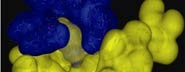
Scientists researching a toxin extracted from the venom of the honey bee have used this to inform the design of new treatments to alleviate the symptoms of conditions such as muscular dystrophy, depression and dementia. Apamin, a natural peptide toxin found in bee venom, is known for its ability to block a type of ion channel that enables a high-speed and selective flow of potassium ions out of nerves. The blocking of these channels in the brain causes nerves to become hyperexcitable, producing improved learning, which could have implications for the treatment of dementia and depression. In addition, injection of apamin improves the symptoms experienced by sufferers of myotonic muscular dystrophy (MD). Until now, the exact mechanism by which apamin acts was poorly understood. In a study published in the Journal of Biological Chemistry , two teams from the University of Bristol and the University of Liege in Belgium describe the results of their joint work on these KCa2 potassium ion channels, also called SK channels. Using computer models and a genetic approach, the researchers were able to pinpoint exactly where apamin binds to block the channel.
TO READ THIS ARTICLE, CREATE YOUR ACCOUNT
And extend your reading, free of charge and with no commitment.