Scientists have developed a system to quickly detect trace amounts of chemicals like pollutants, explosives or illegal drugs.
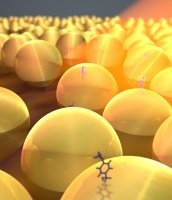
Scientists at Imperial College London have developed a system to quickly detect trace amounts of chemicals like pollutants, explosives or illegal drugs. The new system can pick out a single target molecule from 10 000 trillion water molecules within milliseconds, by trapping it on a self-assembling single layer of gold nanoparticles. The team of scientists, all from the Department of Chemistry at Imperial, say this technology opens the way to develop devices that are compact, reusable and easy to assemble, and could have a range of uses including detecting illegal drugs, explosives, pollutants in rivers or nerve gases released into the air. Results of the research are published this week. In one potential use, such a device could detect tiny traces of explosives or other illegal substances left behind by criminals on the surfaces they touch. The advances made by this team would help law enforcers to identify and deal with such activities involving illegal substances. Research co-author, Michael Cecchini, said: "Our system could solve a key problem of reliable and portable chemical testing for use in the outside world.
TO READ THIS ARTICLE, CREATE YOUR ACCOUNT
And extend your reading, free of charge and with no commitment.