Brightly lit displays are a big drain on the energy supplies of mobile devices
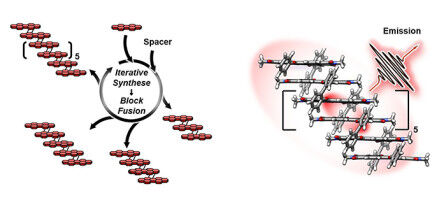
Next generation screens could slash energy use in TVs, mobiles and tablet PCs following new research on molecules that emit and detect twisted light. Brightly lit displays are a big drain on the energy supplies of mobile devices. Current technologies, such as backlit LCD screens, produce text and images by streaming white light through a series of polarising and colour filters, a process that typically wastes over 75 per cent of the light. Now, scientists at Imperial College London have shown that molecules shaped like twisted corkscrews can be made to emit twisted 'circularly polarised' light, which is needed to create these next generation screens. The next step is to fine-tune the molecules to emit red, green and blue light to make brightly coloured images without the energy wasting filters. This technique could also be used to make low-energy 3D displays. Polarised light that twists in opposite directions could be used to generate two different images on the same screen.
TO READ THIS ARTICLE, CREATE YOUR ACCOUNT
And extend your reading, free of charge and with no commitment.