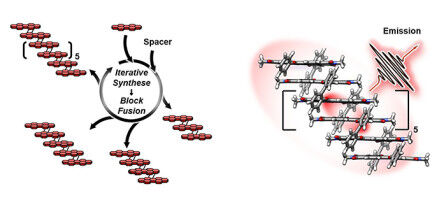
Electron ’spin’ key to solar cell breakthrough
We should see new materials and solar cells that make use of this very soon - Akshay Rao Organic solar cells, a new class of solar cell that mimics the natural process of plant photosynthesis, could revolutionise renewable energy - but currently lack the efficiency to compete with the more costly commercial silicon cells. At the moment, organic solar cells can achieve as much as 12 per cent efficiency in turning light into electricity, compared with 20 to 25 per cent for silicon-based cells. Now, researchers have discovered that manipulating the 'spin' of electrons in these solar cells dramatically improves their performance, providing a vital breakthrough in the pursuit of cheap, high performing solar power technologies. The study, by researchers from the Universities of Cambridge and Washington, is published today , and comes just days after scientists called on governments around the world to focus on solar energy with the same drive that put a man on the moon, calling for a "new Apollo mission to harness the sun's power" . Organic solar cells replicate photosynthesis using large, carbon-based molecules to harvest sunlight instead of the inorganic semiconductors used in commercial, silicon-based solar cells. These organic cells can be very thin, light and highly flexible, as well as printed from inks similar to newspapers - allowing for much faster and cheaper production processes than current solar cells. But consistency has been a major issue.