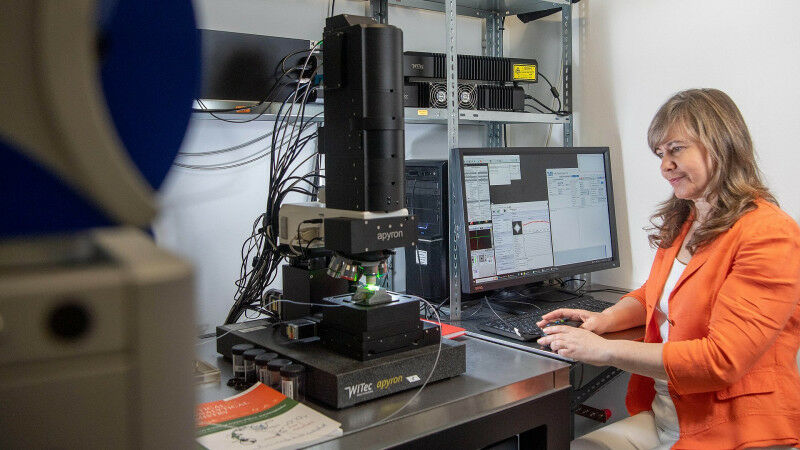
Natalia Ivleva and her team have developed new methods for analyzing microplastics.
Automated analysis of microplastics. Natalia Ivleva and her team have developed new methods for analyzing microplastics. How high are concentrations of microplastics in the environment, in our drinking water or in foods? Researchers at the Technical University of Munich (TUM) have developed an automated analysis method for the identification and quantification of particles. Microplastics are everywhere in the environment. The tiny particles, with diameters of less than 5 millimeters, can also absorb and transport contaminants and toxins. "We urgently need analytical techniques to learn about the size, concentration and composition of these particles," says Dr. Natalia Ivleva at the Chair of Analytical Chemistry and Water Chemistry at TUM. Together with her team, the scientist has developed a new process.
TO READ THIS ARTICLE, CREATE YOUR ACCOUNT
And extend your reading, free of charge and with no commitment.