Photo: Nicholas Loubere
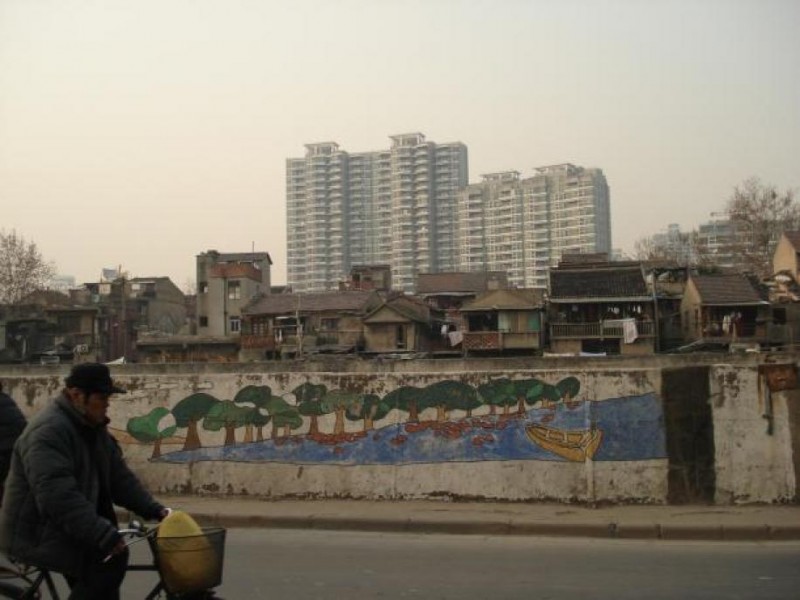
Nicholas Loubere at the Centre for East and South-East Asian Studies, shares some reflections on the major achievements as well as the downsides of China's reform period ahead of the upcoming conference "Assessing 40 Years of Reform and Opening in China". What have been the major changes in China since the reform and opening, both for society as a whole and for the Chinese people? Can you give any concrete examples of how life has changed for the Chinese people? Over the past forty years China has seen socioeconomic transformation at a pace and scale unprecedented in human history. For much of this time the country's economy has experienced annual double-digit growth, while at the same time the basic structures of society have been radically altered. In practical terms, this means that life in China today is tremendously different than it was on the eve of the reform and opening period in almost every way imaginable. For instance, in urban areas people are no longer allocated housing by their jobs (or 'work units'), but now must purchase or rent accommodation. This has afforded people new freedoms, but has also made it very difficult for those without large amounts of capital to live in the cities. Another major change is that restrictions on movement have been loosened, meaning that people can travel around the country relatively freely.
TO READ THIS ARTICLE, CREATE YOUR ACCOUNT
And extend your reading, free of charge and with no commitment.