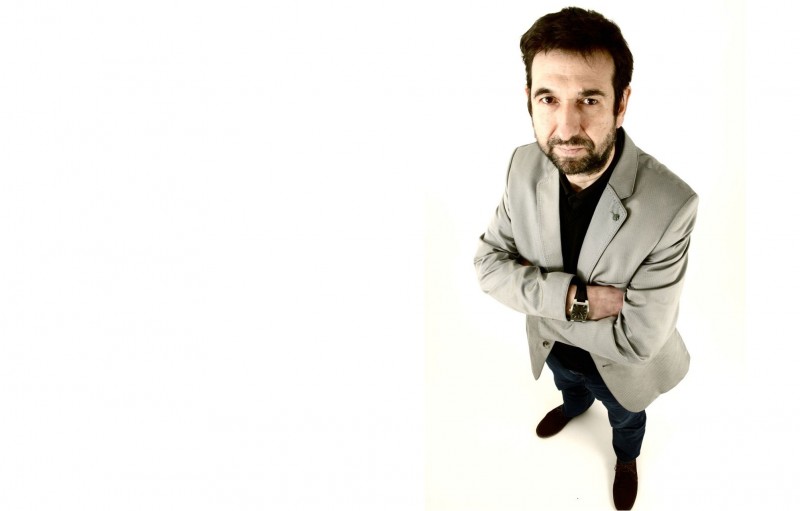
Paul Iganski
While there are positive outcomes for many victims who report hate crimes to the police in Lancashire, many victims of religiously aggravated verbal abuse are unsure about whether they can be dealt with effectively. This one of the key findings from research into religious hate crime in Lancashire presented by Lancaster University Law School criminologist Professor Paul Iganski. The research, commissioned by Lancashire County Council - supported by the Police and Crime Commissioner and Lancashire Constabulary - looked at victim experiences, perceptions of hate crime and the issue of under-reporting. Professor Iganski's research, which focused on Lancashire's Muslim communities showed that Verbal abuse from women, children and men, shouted in public places particularly against Muslim women wearing a veil or Burkha seems to be one of the most common forms of religiously aggravated hate crime in Lancashire along with abuse against Muslims working in the night time economy, such as taxi drivers. Lancashire's pattern of religiously aggravated victimisation was similar to what is known about patterns elsewhere in the UK. While many incidents of abuse are reported to the police, and Lancashire Constabulary's own data show that in general there is a strong level of satisfaction among victims in Lancashire with the policing of racially and religiously aggravated hate crime, some victims are unsure about whether their experiences are crimes, unsure about whether they should report them, and uncertain about whether the police and other agencies can deal with them effectively given the particular evidential difficulties concerning the often fleeting nature of verbal abuse in public places.
TO READ THIS ARTICLE, CREATE YOUR ACCOUNT
And extend your reading, free of charge and with no commitment.