


News from
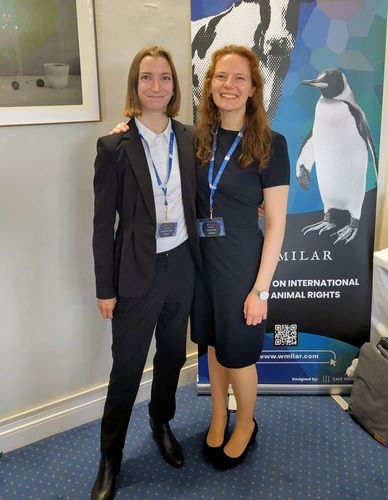
With convincing pleadings and legal precision, the Leipzig moot team secured the world championship title at the first Paula Sparks World Moot on International Law and Animal Rights in Oxford. In a fictitious case before the International Court of Justice, the two law students pleaded for more justice for sentient beings - and prevailed against strong competition from India and Chile.

On the international stage, moral progress and the persistent commitment to idealistic visions have already made history many times over - whether in the fight for women’s rights, against racism or for decolonization. Could such a change also be conceivable in the relationship between humans and animals? This year’s Paula Sparks World Moot on International Law and Animal Rights was dedicated to precisely this question.
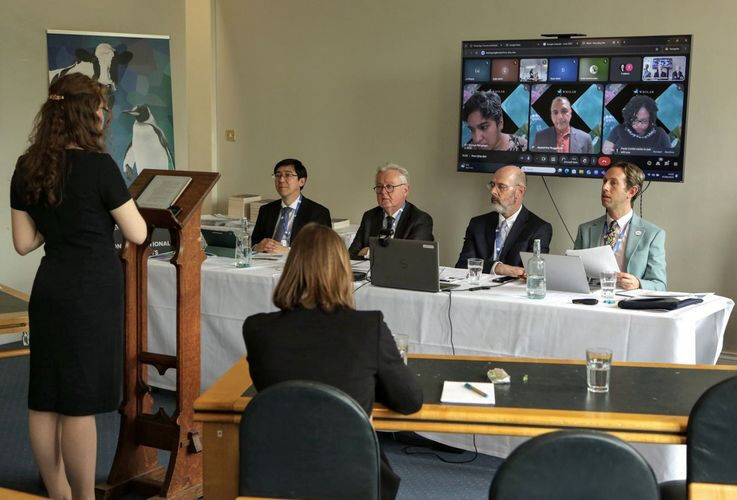
In the competition scenario, the protection of sentient beings was already enshrined in international law: the majority of states had signed a treaty guaranteeing animal rights. However, one member state, in which animals continue to be kept for food, was taken to the International Court of Justice for this breach of treaty.
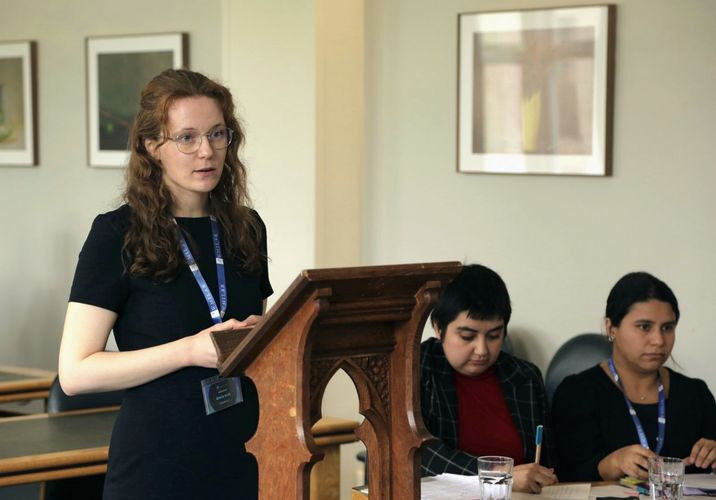
As regional champion, the team from Leipzig University qualified for the international rounds in March and now faced strong competition from India and Chile in Oxford. With a fiery plea for more justice and less man-made suffering as well as precisely presented arguments from a new but growing area of law, Josephine Götze and Marie Kolb were able to convince the jury and audience alike. They came out on top in the semi-final and final - and took the title of World Champion to Leipzig. Marie Kolb was also awarded Best Oralist once again.
But the competition was far more than just a test of strength: Numerous renowned female lawyers from all over the world shared their experiences in the field of animal rights with the participants. In presentations and discussions, they reported on landmark decisions from Ecuador, California, South Africa and India, in which animals have already been granted rights or at least special protection. The exchange with judges, lawyers and activists - icons of international law - made the event an inspiring experience for the students, who see themselves as part of global change.
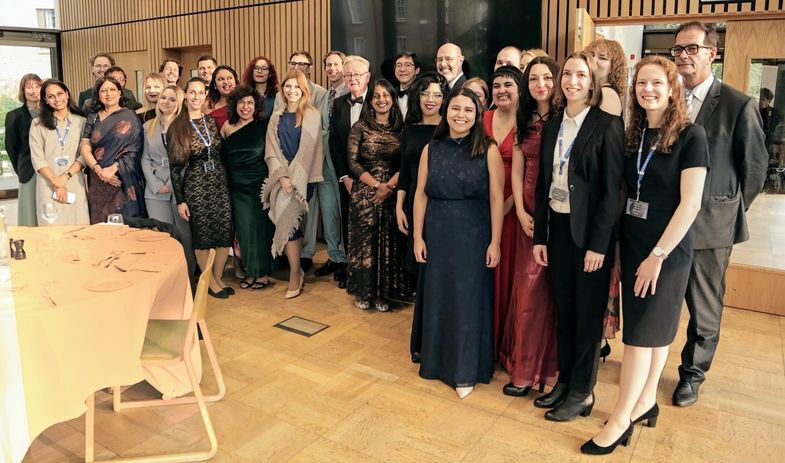
This extraordinary participation was made possible by the generous support of the Student Council of the Faculty of Law and the two law firms of Simon Schuster and Peter Kremer. Special thanks also go to Ms. Schiedermair, under whose patronage the team was able to take part in this unique competition.


