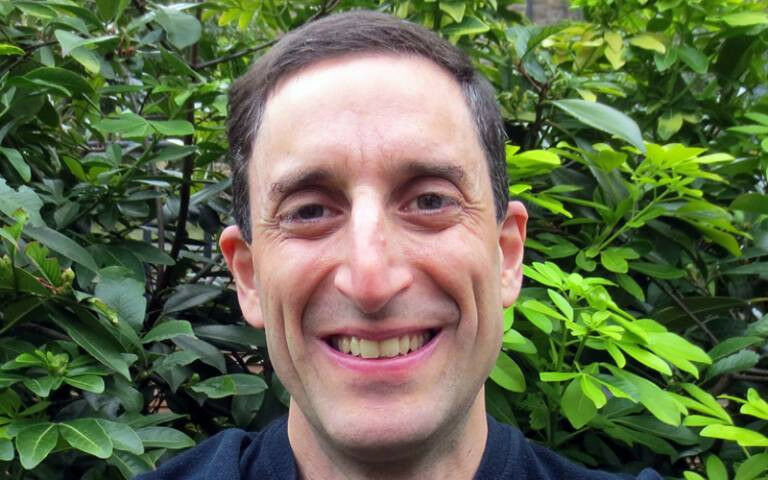
Professor Ilan Kelman
Professor Ilan Kelman Professor Ilan Kelman (UCL Risk & Disaster Reduction) describes in The Conversation how warring countries can put aside their differences to save lives when a disaster, like the recent Turkey-Syria earthquake, strikes a region beset by conflict. The death toll of the massive earthquakes that have rocked the Turkey-Syria border region has now exceeded 5,000 people and the World Health Organization has suggested it could rise as high as 20,000. The catastrophe has led to an international outpouring of support. Numerous international rescue, medical, and other teams are arriving and on their way. As ever, local emergency services were first on the front line to pull survivors from the collapsed buildings. We know from researching previous earthquake responses that most survivors are pulled out of the rubble by local residents and workers in the immediate aftermath. But rescue attempts are ongoing and reports are continuing to emerge of people being found alive under the rubble, despite freezing temperatures at night and poor weather in many earthquake-affected areas.
TO READ THIS ARTICLE, CREATE YOUR ACCOUNT
And extend your reading, free of charge and with no commitment.