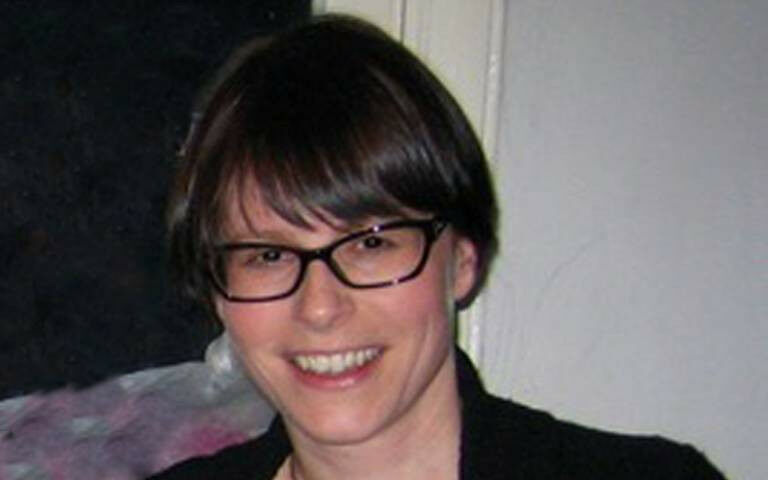
Kristin Bakke
Kristin Bakke - The Ukrainian people do not want war, but the vast majority feel a strong connection to their home country, writes Professor Kristin Bakke (UCL Political Science). Russian forces are now attacking both military and civilian targets in Ukraine. The war is driven by President Vladimir Putin's Greater Russia ambitions, a (poor) history reading that does not recognise Ukraine, and frustration that the country's leadership has turned west instead of looking to Moscow. The goal is to deprive the Ukrainian people of the right to decide for themselves the country's political future. The Ukrainians - led by a president who has now achieved a heroic status Putin can look back on - have so far proved more difficult to fight than most had anticipated. There has been a lot of focus on the great power policy behind the war, but it is the Ukrainian people who are in the firing line. It is first and foremost their future that is at stake. So what do we know about how the Ukrainians view Russia and NATO? The Ukrainian people value their independence highly. Yet many looked long on their Russian neighbor with positive emotions (almost 90 percent in 2008), though not necessarily the Russian leadership. Surveys by the Kyiv International Institute of Sociology show that these attitudes cooled among many after Russia's annexation of Crimea and support for the separatists in the Donbas, a conflict that has claimed nearly 14,000 lives.
TO READ THIS ARTICLE, CREATE YOUR ACCOUNT
And extend your reading, free of charge and with no commitment.