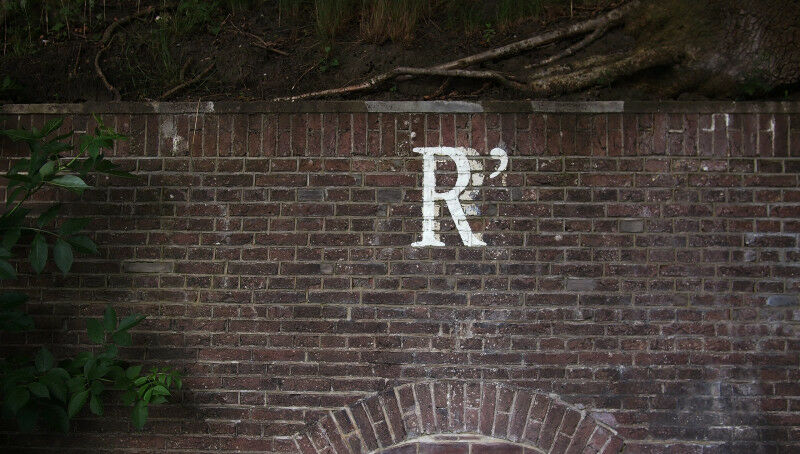
There is something intuitive about how the unevenness of a rough surface is reflected in the repetitive and noisy sound of a trilled ’r’.
There is something intuitive about how the unevenness of a rough surface is reflected in the repetitive and noisy sound of a trilled 'r'. Q&As - Erik Rolfsen Turns out, some words are more tactile than you might expect. That's according to a new global study noting a clear linguistic connection between sound and touch. The study found that words meaning "rough" were four times more likely to contain a rolled or trilled 'r' sound than words that mean "smooth." The researchers detected this relationship in a sample of 332 spoken languages around the world, including words like zakarra (Basque), barzgar (Mongolian), ruw (Dutch) and durva (Hungarian). In the Indo-European language family, where the pattern is especially strong, it could date back more than 6,000 years. We asked UBC associate Márton Sóskuthy ( he/him ) about the study, which he co-authored with an international research team that included lead author Dr. Bodo Winter and Dr. Marcus Perlman of University of Birmingham, and Dr. Mark Dingemanse of Radboud University. How did this discovery come about?.
TO READ THIS ARTICLE, CREATE YOUR ACCOUNT
And extend your reading, free of charge and with no commitment.