Research gives new insights into 4 billion year-old meteorites
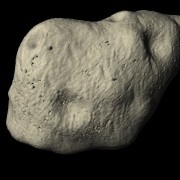
Research gives new insights into 4 billion year-old meteorites. Scientists reveal how tiny grains inside Carbonaceous Chondrites preserved their ?primitive chemistry? %0A " - Thursday 12 November 2009 - By Colin Smith Scientists have gained new insight into the makeup of ancient meteorites called Carbonaceous Chondrites, in research published in the October edition of the journal Earth Science and Planetary Letters. Carbonaceous Chondrites are made up of the dust that formed the solar nebula, which is the cloud of dust and gas that made up our early solar system before rocky planets such as Earth and Mars were formed. The asteroids are 'chemically primitive', which means that none of the chemical elements of which they are composed have been moved around, taken out or added since they formed 4.56 billion years ago. This makes Carbonaceous Chondrites valuable for understanding what conditions were like in the early solar system. In the new study, Imperial College London researchers reveal that the particles which make up Carbonaceous Chondrites are much finer than previously thought - each being approximately 10 to 100 nanometers in size. These tiny grains severely restricted the flow of water through the rock.