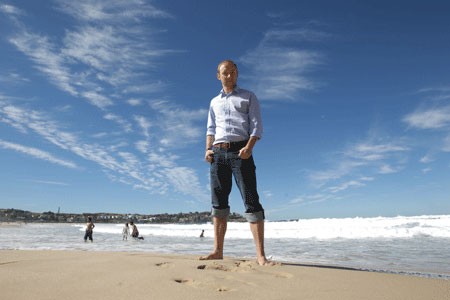
Speaking out for sharks: doctoral student Christopher Neff
In July 1916, during a summer heatwave, a series of shark attacks along the coast of New Jersey left four people dead and another seriously injured. The attacks, over a 12-day period, caused widespread panic, and as newspapers shocked their readers with graphic accounts of the incidents, the vicious man-eating shark soon became part of American folklore. Almost sixty years later author Peter Benchley revived the theme of the rogue great white shark in his book Jaws , which was turned into a memorably scary blockbuster movie by Steven Spielberg. In Australia the surgeon and Sydney graduate Sir Victor Coppleson wrote a book in 1958, Shark Attack , which also spread the idea of rogue sharks. Coppleson said the pattern and frequency of attacks suggested the likelihood of a single shark ignoring its natural prey and acquiring a taste for human flesh. Today, research indicates that the ratio of shark attacks is on the increase, with more swimmers than ever before in the water. In the league table of shark attacks the USA leads the world, followed by Australia and South Africa.
TO READ THIS ARTICLE, CREATE YOUR ACCOUNT
And extend your reading, free of charge and with no commitment.