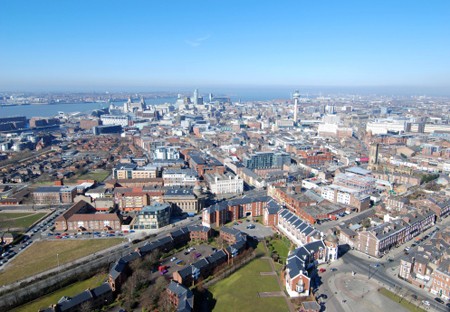
The study found Liverpudlians have a “lower-than-average perception of their own wellbeing”
Researchers have announced the results of the largest ever health and lifestyle survey of cities and conurbations across Europe - including five British urban centres. The research examined and compared the health, life expectancy and lifestyles of the populations of 26 European cities (the Euro-26) and found major differences, not only between cities, but within individual urban areas too. The pan-European study, led in the UK by the Universities of Liverpool and Manchester, identified key priority areas for each city studied that the researchers hope policymakers will address. In depth health and lifestyle analysis In England's Merseyside and Greater Manchester, for example, depression and anxiety were identified as problem areas, along with cancer and respiratory disease - both of which were higher in these conurbations than the Euro-26 average. Obesity among Liverpool and Manchester's populations was also higher than the average of those cities studied, as was heavy drinking among the population's youth and binge drinking among adults. The study also showed positive aspects of urban living; Liverpudlians, for example, smoked less than the European average but had a lower-than-average perception of their own wellbeing. Mancunians ate considerably more fruit and vegetables than the average Euro-26 city; they had more green spaces to enjoy, and ate breakfast more frequently than their European counterparts.
TO READ THIS ARTICLE, CREATE YOUR ACCOUNT
And extend your reading, free of charge and with no commitment.