Nottingham academic reveals insight into early prehistoric human occupations
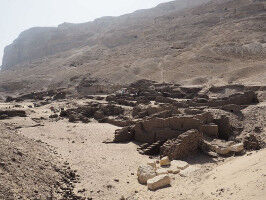
Image courtesy of EFAP (Epipalaeolithic Foragers in Azraq Project) PA 56/12 Some of the earliest evidence of prehistoric architecture has been discovered in the Jordanian desert, providing archaeologists with a new perspective on how humans lived 20,000 years ago. The ancient hut structures in eastern Jordan were discovered by a team of archaeologists including academics from The University of Nottingham. The finding suggests that the area was once intensively occupied and that the origins of architecture in the region date back 20 millennia, well before the emergence of agriculture. The research by a joint British, Danish, American and Jordanian team, published recently in the peer-reviewed science journal PLoS One , describes huts that hunter-gatherers used as long-term homes and suggests that many behaviours associated with later cultures and communities, such as a growing attachment to a location and a far-reaching social network, existed up to 10,000 years earlier than previously thought. Research by University of Nottingham geographer Matt Jones, alongside colleagues from University College London , suggests that although the area is starkly dry and barren today during the last Ice Age the deserts of Jordan were in bloom, with rivers, streams and seasonal lakes and ponds providing a rich environment for hunter-gatherers to settle in. Ancient peoples. Jones said: "It's amazing to think that 20,000 years ago people were thriving in significant numbers in an area that is today so dry and inhospitable.