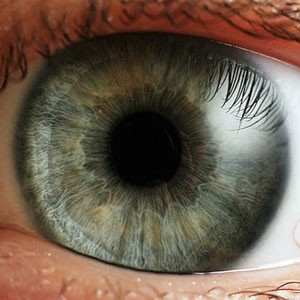
Human Eye (Credit: Petr Novák, source Wikimedia Commons)
Leukaemia drugs could help to improve treatments for blindness caused by abnormal blood vessel growth in the eye, finds new UCL research. The study, published in the Journal of Experimental Medicine, raises the possibility that medication prescribed for leukaemia could also be used to improve vision in patients with age-related macular degeneration, diabetic retinopathy and other diseases caused by abnormal growth of blood vessels in the eye. "Blood vessels normally form in developing foetuses to deliver oxygen to growing organs, or in adults when organs are deprived of oxygen due to conditions such as diabetes, stroke or heart attack," explains Professor Christiana Ruhrberg of the UCL Institute of Ophthalmology, who led the study. "Even though the growth of new blood vessels aims to restore organ health, blood vessels often grow abnormally in adults. For example, in diseases such as age-related-macular degeneration and diabetic retinopathy, abnormal eye vessels leak blood and fluids, causing vision loss." Because the formation of new blood vessels depends on the molecular signal vascular endothelial growth factor (VEGF), patients with age-related macular degeneration or diabetic retinopathy are treated with drugs that block VEGF. This treatment involves a jab into the eye to deliver the drug and works very well for most patients, but some patients have side effects due to the jab and others stop responding to the treatment after initial success and their vision deteriorates again.
TO READ THIS ARTICLE, CREATE YOUR ACCOUNT
And extend your reading, free of charge and with no commitment.