Hidden treasures of ancient Ur uncovered in Bristol
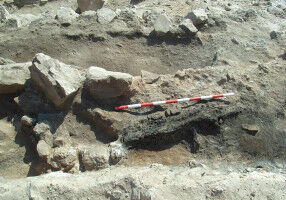
Press release issued: 20 June 2014 An enigmatic box from a bygone era, filled with pottery, seeds and animal bones, has been discovered in the University of Bristol's Department of Archaeology and Anthropology. The box was found while researchers were emptying current laboratory spaces in preparation for the installation of a new state-of-the-art radiocarbon dating facility. Index cards nestled amongst the objects in the box provided a clue to the origins of the material. Key words such as 'Predynastic', 'Sargonid', and 'Royal Tombs' suggested the remains came from the famous excavations by Sir Leonard Woolley in southern Iraq at the site of Ur during the 1920s and early 1930s. The discovery is very exciting because environmental finds were rarely collected in this early period of archaeological fieldwork, especially from this part of the world. Further investigation revealed that these were the remains of food offerings from a royal tomb at least 4,500 years old. The original excavation was sponsored jointly by the British Museum and the University of Pennsylvania Museum, and the finds were divided between London, Philadelphia and Baghdad, following the tradition of the era.