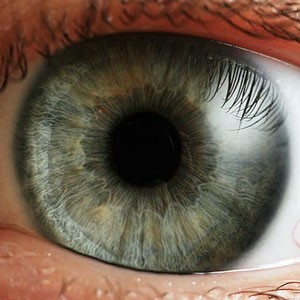
Human Eye (Credit: Petr Novák, source Wikimedia Commons)
Drugs used to treat blindness-causing disorders could be successfully administered by eye drops rather than unpleasant and expensive eye injections, according to new research led by UCL scientists that could be a breakthrough for the millions worldwide suffering from age-related macular degeneration (AMD) and other eye disorders. 1 in 5 people over 75 have AMD with well-known sufferers including actress Dame Judi Dench and author Stephen King. The research findings are significant due to growing patient numbers and an increasing demand for the eye injections that halt the progression of the disease. The research, demonstrated in animal models and published today in nanotechnology journal Small, demonstrates that it is possible to create formulations of tiny nanoparticles loaded with the AMD drug Avastin and deliver significant concentrations to the back of the eye. Lead author Professor Francesca Cordeiro (UCL Institute of Ophthalmology) said: "The development of eye drops that can be safely and effectively used in patients would be a magic bullet - a huge breakthrough in the treatment of AMD and other debilitating eye disorders. "The current treatment of injecting drugs into the eye is uncomfortable, detested by patients and often needs repeated monthly injections in hospital for as long as 24 consecutive months. It's impossible to exaggerate the relief patients would feel at not having to experience injections into their eyes." - The development of eye drops that can be safely and effectively used in patients would be a magic bullet - a huge breakthrough in the treatment of AMD and other debilitating eye disorders.
TO READ THIS ARTICLE, CREATE YOUR ACCOUNT
And extend your reading, free of charge and with no commitment.