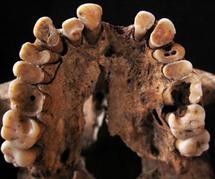
Tooth decay in a young adult hunter-gatherer from Taforalt (Image: Isabelle de Groote)
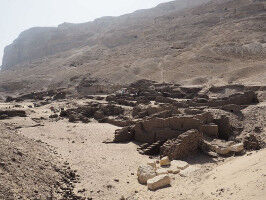
A diet rich in starchy foods may have led to high rates of tooth decay in ancient hunter-gatherers, says a new study published in the Proceedings of the National Academy of Sciences . Research by a team from Oxford University, the Natural History Museum, London, and the National Institute of Archaeological Sciences and Heritage (INSAP) in Morocco challenges the long-held view that dental disease was linked to the advent of farming. Their research shows widespread tooth decay occurred in a hunter-gathering society in Morocco several thousand years before the dawn of agriculture. The research team analysed 52 sets of adult teeth from hunter-gatherer skeletons found in Taforalt in Morocco, dating between 15,000 and 13,700 years ago. Unexpectedly, they found evidence of decay in more than half of the surviving teeth, with only three skeletons showing no signs of cavities. Previously, scholars had thought that high rates of dental disease were associated with agricultural societies that grew domesticated plant crops. Archaeological deposits at Taforalt include a deep ashy layer with exceptionally well preserved charred plant remains.
TO READ THIS ARTICLE, CREATE YOUR ACCOUNT
And extend your reading, free of charge and with no commitment.