Researchers have discovered how some organisms can safely process oxalate, which is found in many fruits and vegetables. This discovery could lead to new ways to lessen the harmful effects that can occur when oxalate builds up in humans, who cannot metabolize this molecule.
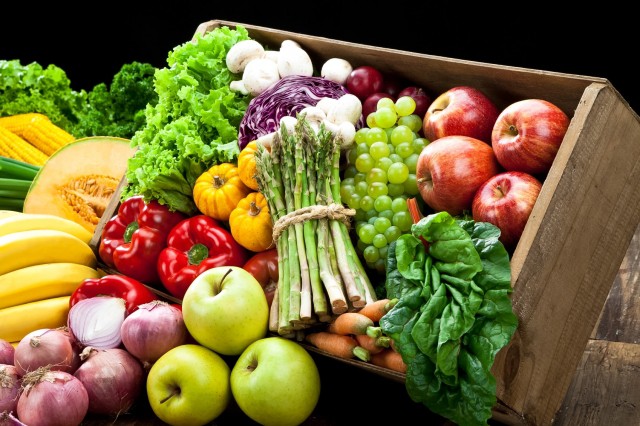
A wide variety of fruits and vegetables contain oxalate. But humans and most other animals lack the ability to metabolize this molecule - that is, to break it down while digesting it. And so for some people, a buildup of oxalate is associated with kidney stones, arthritis, and even kidney failure. At the same time, some plants, fungi, and bacteria are able to break down oxalate. Now MIT scientists, in collaboration with colleagues at the University of Michigan, have identified a previously unknown mechanism through which this process occurs, a discovery that could help researchers drive toward new ways of lessening oxalate's harmful effects on humans. The team used X-ray crystallography to identify precisely how a recently-discovered enzyme, thiamine pyrophosphate-dependent oxalate oxidoreductase (OOR), metabolizes oxalate using a "bait-and-switch" mechanism to break apart the troublesome molecule. "This is unprecedented chemistry, what this enzyme does," says Catherine Drennan, a professor of biology and chemistry at MIT, whose lab team made the discovery.
TO READ THIS ARTICLE, CREATE YOUR ACCOUNT
And extend your reading, free of charge and with no commitment.