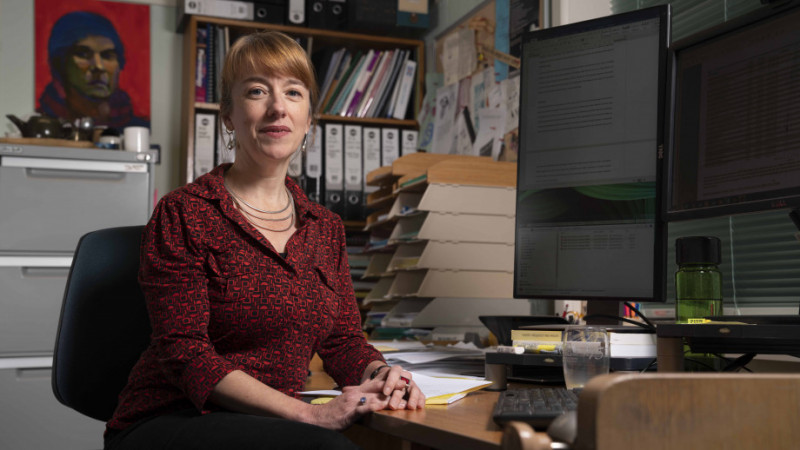
Emily Banks: ’It is good for people to know they may not have to quit their job and may continue to have a good quality life.’
Emily Banks: 'It is good for people to know they may not have to quit their job and may continue to have a good quality life.' - Improved survival means cancer is increasingly a chronic disease, and a lot of people are living well with it, new research from The Australian National University (ANU) shows. The study, the largest of its kind in the world, has looked at data from more than 22,000 people with cancer compared to 244,000 people without cancer, analysing levels of physical disability, psychological distress and quality of life. However, the researchers warn their findings show "underserved cancers", like lung cancer, are more challenging for survivors. "There are more than one million people living with cancer in Australia and average five-year survival rates sit at 68 per cent," study lead, Professor Emily Banks, said. "We started this project in collaboration with cancer survivors to understand more about what it is like to live with cancer. "The good news is that for the most common cancer types - such as breast, prostate, bowel cancer, and melanoma - the outcomes are looking really good. "Overall, we found that once patients with the most common cancers were through the initial period of diagnosis and treatment, their quality of life and levels of psychological distress were similar to people in the community without cancer.
TO READ THIS ARTICLE, CREATE YOUR ACCOUNT
And extend your reading, free of charge and with no commitment.