 Cyanobacteria are environmentally friendly and readily available biocatalysts for the production of new chemicals and, thanks to researchers at TU Graz, could soon be used in large-scale technological applications.
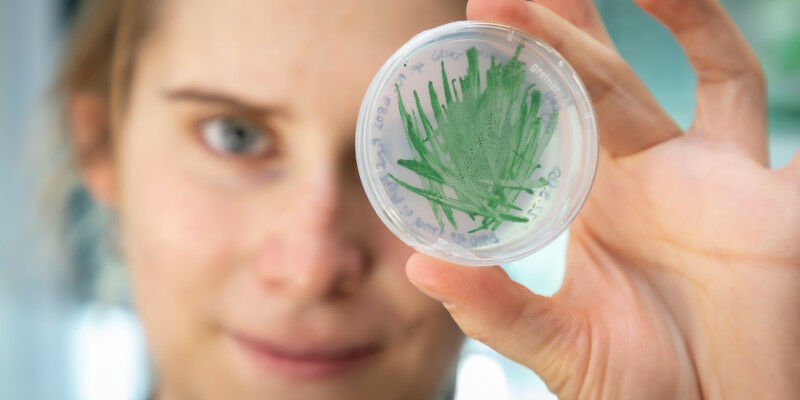
Cyanobacteria are environmentally friendly and readily available biocatalysts for the production of new chemicals and, thanks to researchers at TU Graz, could soon be used in large-scale technological applications. Lunghammer - TU Graz By Susanne Eigner - Researchers from TU Graz and Ruhr University Bochum show in the journal ACS Catalysis how the catalytic activity of cyanobacteria, also known as blue-green algae, can be significantly increased. This brings biotechnological and thus eco-friendly application a big step closer. Cyanobacteria, despite staining water green through their special pigments, are colloquially known as "blue-green algae", and convert light energy into chemical energy particularly effectively thanks to their highly active photosynthetic cells. This makes them attractive for biotechnological application, where they could be used as environmentally friendly and readily available biocatalysts for the production of new chemicals using specifically introduced enzymes. Robert Kourist and PhD candidate Hanna Büchsenschütz with a cultivation system for cyanobacteria. Lunghammer - TU Graz - Limited light availability.
TO READ THIS ARTICLE, CREATE YOUR ACCOUNT
And extend your reading, free of charge and with no commitment.
Your Benefits
- Access to all content
- Receive newsmails for news and jobs
- Post ads