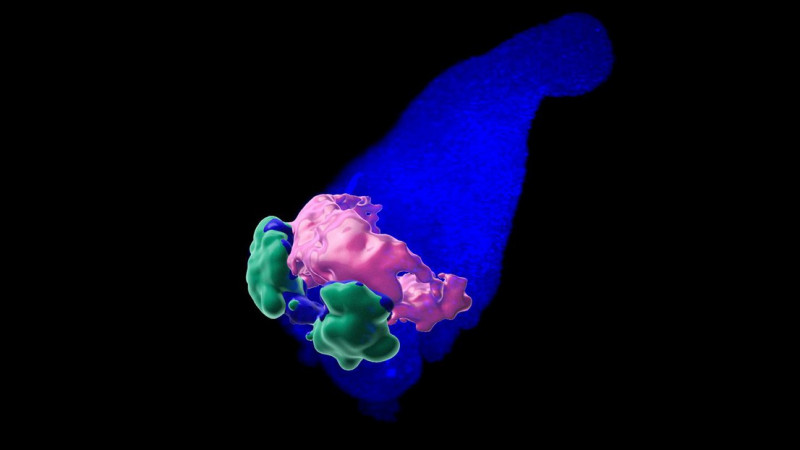
3D structure of the anterior cardiac crescent-like domain in gastruloids. Credit: Giuliana Rossi (EPFL)
3D structure of the anterior cardiac crescent-like domain in gastruloids. Credit: Giuliana Rossi (EPFL) - Bioengineers at EPFL have used organoids - tiny lab-grown organs - to mimic the early development of the heart in the mouse embryo. The work is another step towards future bioartificial organs for research and transplants. There was a time when the idea of growing organs in the lab was the stuff of science fiction. Today, stem cell biology and tissue engineering are turning fiction into reality with the advent of organoids: tiny lab-grown tissues and organs that are anatomically correct and physiologically functional. The appeal of organoids is obvious. Essentially, they can provide us with an on-demand production of tissues and mini-organs for pharmaceutical and medical research, without constantly having to rely on donors.
TO READ THIS ARTICLE, CREATE YOUR ACCOUNT
And extend your reading, free of charge and with no commitment.