Stonehenge may be dismantled Welsh stone circle
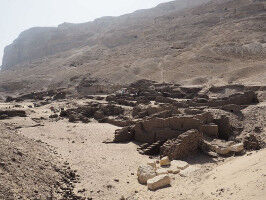
UCL archaeologists have found a dismantled stone circle in west Wales that they believed was moved to Salisbury Plain and rebuilt as Stonehenge. The stunning discovery, published in Antiquity , has been secretly documented by filmmakers and is the subject of an exclusive BBC programme , Stonehenge: The Lost Circle Revealed . The world-famous monument's smaller stones, or bluestones, are already known to have come from the Preseli Hills of Wales and are thought to have been first erected 5,000 years ago, centuries before Stonehenge's larger sarsen stones were brought from just 15 miles away. Now, the 'Stones of Stonehenge' research team, led by Professor Mike Parker Pearson (UCL Institute of Archaeology), has identified megalith quarries for the bluestones and a dismantled stone circle nearby, pointing to them being taken from the circle and recycled 140 miles away, perhaps as a result of migration. Professor Parker Pearson said: "I have been leading projects at Stonehenge since 2003 and this is the culmination of twenty years of research. It's one of the most important discoveries I've ever made." The find goes a long way to solving the mystery of why the Stonehenge bluestones were brought from so far away, when all other stone circles were erected within a short distance of their quarries. Only four stones remain at Waun Mawn, which is now revealed as having been the third biggest stone circle in Britain, after Avebury in Wiltshire and Stanton Drew in Somerset, and also one of the earliest.