(Image: Pixabay CC0)
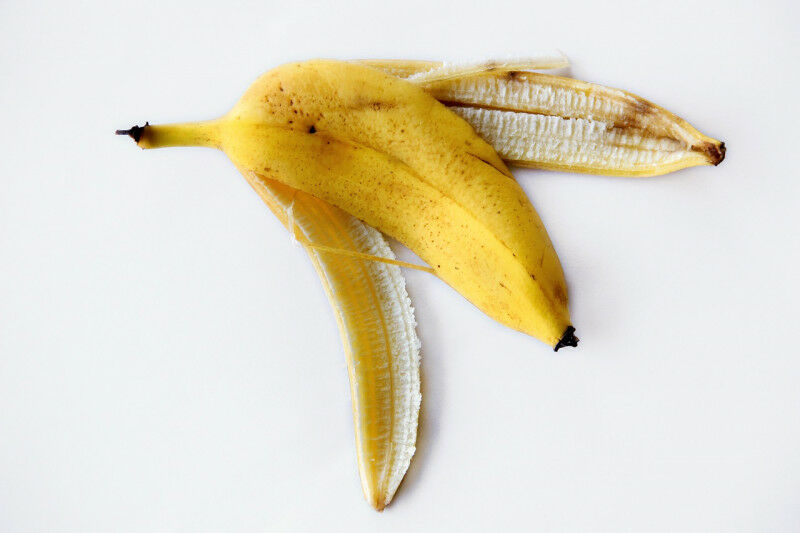
(Image: Pixabay CC0) - Scientists at EPFL have developed a way to maximize hydrogen yields from biowaste, within few milliseconds. The method uses rapid photo-pyrolysis to produce hydrogen gas and solid conductive carbon from banana peels. As the world's energy demands increase, so does our consumption of fossil fuels. The result is a massive rise in greenhouse gases emissions with severely adverse environmental effects. To address this, scientists have been searching for alternative, renewable sources of energy. A main candidate is hydrogen produced from organic waste, or -biomass-, of plants and animals. Biomass also absorbs, removes, and stores CO2 from the atmosphere, while biomass decomposition can also bring us ways to negative emissions or greenhouse gases removal.
TO READ THIS ARTICLE, CREATE YOUR ACCOUNT
And extend your reading, free of charge and with no commitment.