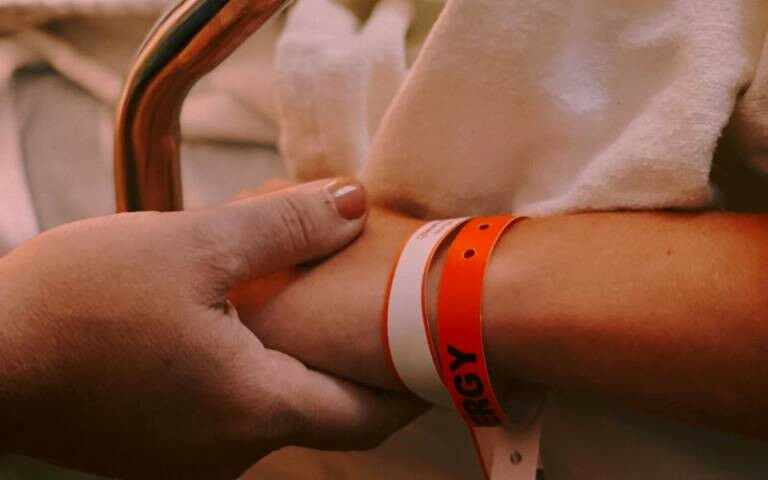
ill child hand
ill child hand Recent acute hepatitis cases of unknown origin in children have been linked to the common adeno-associated virus 2 (AAV2) in two new studies led by researchers at UCL, Great Ormond Street Hospital for Children and the University of Glasgow. The research also found no evidence of a direct link between the spike in hepatitis cases and SARS-CoV-2 infection, the cause of Covid-19. Since April 2022, more than 1,000 children in 35 countries have developed jaundice and acute severe hepatitis of unknown origin. In the UK, the majority of the 268 cases have been under the age of five years old, with nearly 40% of hospitalised cases (74 of 189) requiring admission to intensive care, including 12 who needed a lifesaving liver transplant. Submitted to pre-print server medRxiv , the research found that AAV2 was present at high levels in all samples from patients with unexplained hepatitis. And the virus, which is not known to normally cause disease and often accompanies infection with adenoviruses - a separate class of common virus - has now been found by scientists to be associated with the development of acute hepatitis in a small number of young children. Previously, health officials believed that a spike in adenovirus infections - which typically cause mild cold or flu-like illness - during spring 2022, may have been part of the explanation for the outbreak of hepatitis cases.
TO READ THIS ARTICLE, CREATE YOUR ACCOUNT
And extend your reading, free of charge and with no commitment.