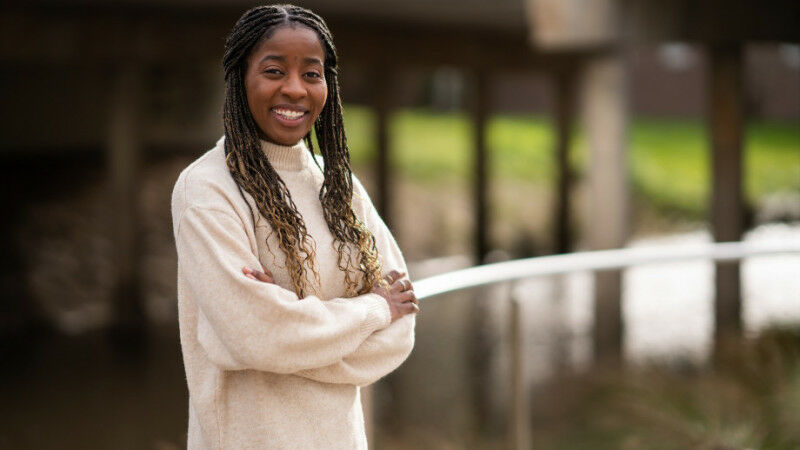
Cynthia Parayiwa. Photo: Tracey Nearmy/ANU
Cynthia Parayiwa. Photo: Tracey Nearmy/ANU - A new study from The Australian National University (ANU) shows areas of Queensland impacted by tropical cyclones had a significantly higher risk of preterm and low birthweight births. Lead author and ANU PhD researcher Cynthia Parayiwa said with natural disasters becoming more and more frequent, further work is needed to minimise the risk for pregnant women, both in Australia and globally. The study examined three separate tropical cyclones and the impact they had on birth outcomes. "Following Cyclone Marcia in 2015, affected areas were almost twice as likely to have a low birthweight - less than 2,500 grams at birth - when compared to unaffected areas," Ms Parayiwa said. "Women in the early to mid-stages of pregnancy were also more likely to experience some of these poor birth outcomes. "Despite Australia's vulnerability to disasters like bushfires, cyclones and severe flooding, there has been very little research in this area until now. "There should be a focus on identifying what is driving these outcomes - especially because they can have a big knock-on effect for mothers, children and the wider community." Ms Parayiwa's study used detailed birth records and disaster relief data, as well as statistical analysis. She said this type of study makes it easier to concentrate on any trends that start to emerge. "There's a lot to consider. For example, is population data impacted by people evacuating from these areas and not coming back?
TO READ THIS ARTICLE, CREATE YOUR ACCOUNT
And extend your reading, free of charge and with no commitment.