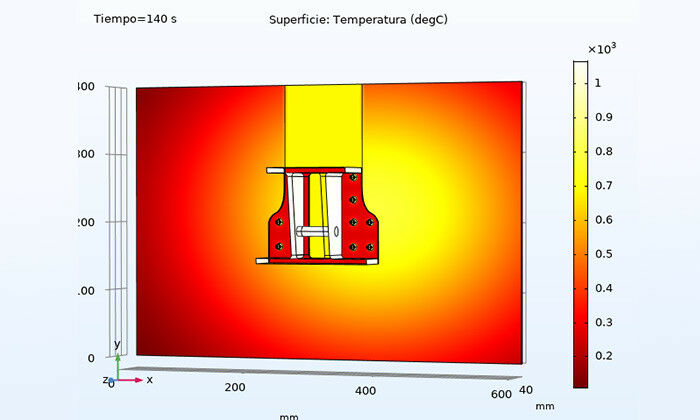
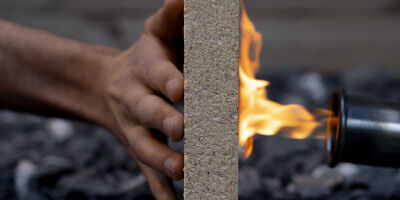
The Universidad Carlos III de Madrid (UC3M) coordinates the HITCOMP (High Temperature Characterisation and Modelling of Thermoplastic Composites) project within the Horizon 2020 programme, which aims to study the possible advantages of thermoplastic materials in the aerospace industry. The European aerospace sector typically uses low-weight, high-performance thermosetting plastic composites—also known as epoxy resin based composites—in many applications. However, these materials are not as heat resistant as other metal aircraft components, which can compromise safety in situations where extreme temperatures are reached. In an effort to improve the current thermosetting composites' behaviour in the face of heat damage, the HITCOMP research team has proposed an alternative: the use of new PAEK resins-based thermoplastic materials. During the development of the HITCOMP project, components made from a thermoplastic base have been shown to be more efficient, from the perspective of their thermal properties, than thermosetting composites. A known property that makes them very useful is that they can be recast, reshaped, processed and recycled, without the need for any additional curing process in order to harden and set. In addition, they are more versatile, cheaper and eco-friendly materials than conventional thermosetting composites and have a longer service life, thanks to their high resilience —they can be recycled or repaired more easily— and fatigue resistance —wear and tear— and corrosion.
TO READ THIS ARTICLE, CREATE YOUR ACCOUNT
And extend your reading, free of charge and with no commitment.