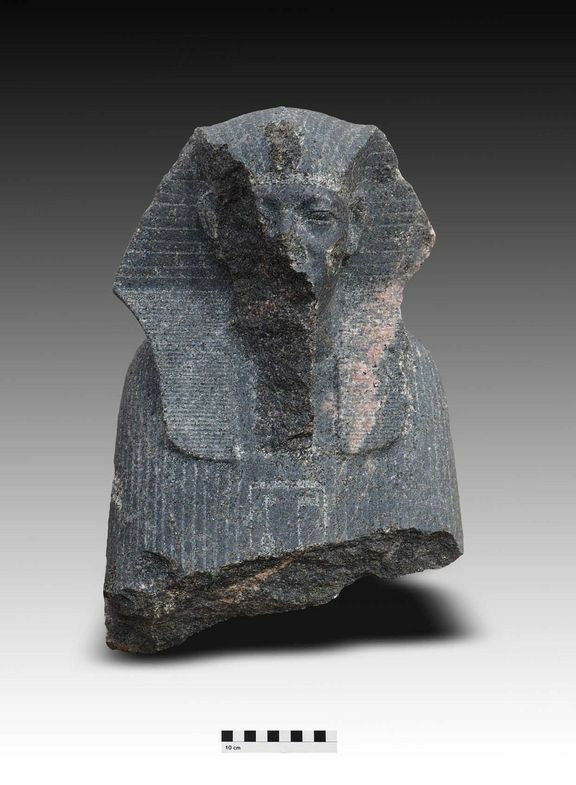
Statue fragment of a sphinx of King Amenemhat III. Photo: Dietrich Raue
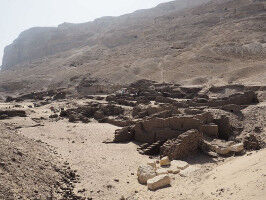
Statue fragment of a sphinx of King Amenemhat III. Photo: Dietrich Raue - During recently completed excavations in northeastern Cairo, an Egyptian-German excavation team of archaeologists has found important evidence from the history of the temple city of Heliopolis. It includes the foundation of a limestone wall, which was discovered running from north to south about 55 metres west of the still-standing obelisk of Heliopolis. The wall has not yet been precisely dated. However, fragments of a shrine to King Takelot I (887'874 BC) were found built into it. This shows that the wall was built after his reign. In addition to Egyptian authorities, a team of students and researchers from Leipzig University and the University of Pisa were involved.
TO READ THIS ARTICLE, CREATE YOUR ACCOUNT
And extend your reading, free of charge and with no commitment.