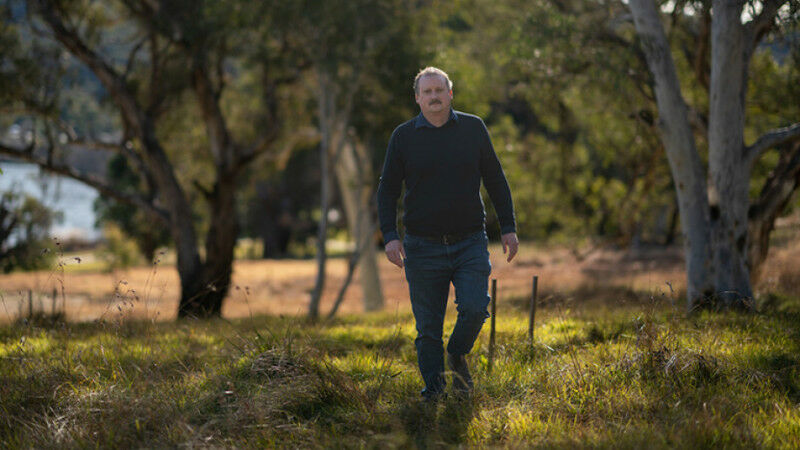
Research Fellow at the ANU Institute for Water Futures Dr Paul Wyrwoll. Photo: Jamie Kidston/ANU
Research Fellow at the ANU Institute for Water Futures Dr Paul Wyrwoll. Photo: Jamie Kidston/ANU - New research into the impact of poor water quality in remote and regional areas of Australia highlights the gaps in drinking water guidelines. Australians in more than 400 remote or regional communities lack access to good-quality drinking water, while about eight per cent of Australia's population is not included in reporting on access to clean water, according to researchers at The Australian National University (ANU). The researchers reviewed public reporting by 177 water utilities to measure gaps in drinking water quality in regional and remote Australia. They assessed water quality performance against the Australian Drinking Water Guidelines (ADWG), which provide guidance to water regulators and suppliers on monitoring and managing drinking water quality. The researchers found at least 25,245 people across 99 locations with populations of fewer than 1,000 people had accessed water services that did not comply with the health-based guideline values at least once in 2018-19. They also identified 408 regional and remote locations with a combined population of 627,736 people that failed to measure up to the ADWG's aesthetic determinants of good water quality across safety, taste and physical characteristics.
TO READ THIS ARTICLE, CREATE YOUR ACCOUNT
And extend your reading, free of charge and with no commitment.