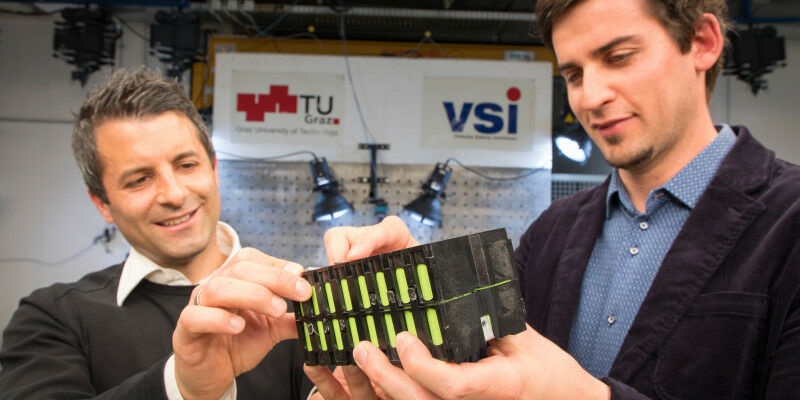
 The project ’SafeBattery’ aims to contribute to achieving more leeway in range and vehicle design while always guaranteeing safety. In the
How EV batteries behave in detail during crash loads and what influence the previous life of the battery has on its safety is being investigated by TU Graz and partners in the K-project "SafeBattery". Further photographic material available at the end of this text. Safety, range and costs: these are the three big premises of electromobility. Safety definitely comes first. Lithium-based traction batteries are usually completely enclosed in the battery case and integrated in the vehicle to protect the battery from all conceivable stresses and external influences. This "armour" has an effect on construction, weight, size and overall design of the vehicle. "For the sake of safety, vehicle producers protect traction battery components usually more than is necessary, just to be on the safe side.
TO READ THIS ARTICLE, CREATE YOUR ACCOUNT
And extend your reading, free of charge and with no commitment.
Your Benefits
- Access to all content
- Receive newsmails for news and jobs
- Post ads