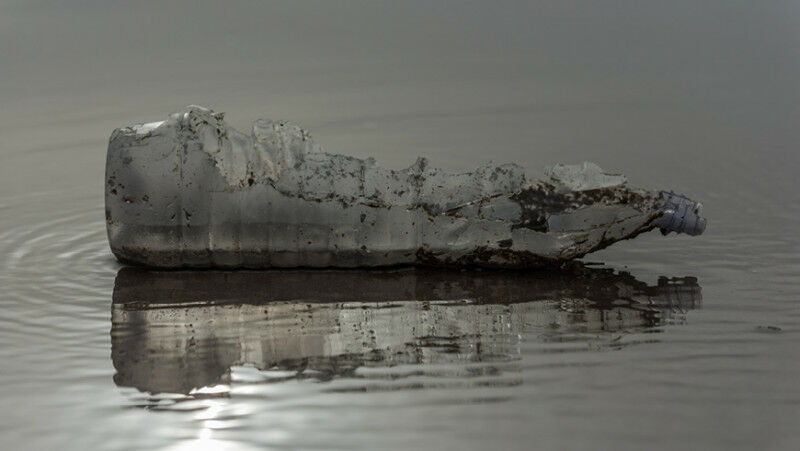
One of the ways microplastics gets into the environment is by degradation and abrasion of larger pieces of plastic. Image: Bernd Nowack, Empa
One of the ways microplastics gets into the environment is by degradation and abrasion of larger pieces of plastic. Image: Bernd Nowack, Empa Plastic particles less than five millimeters in size, also known as microplastics, often settle far away from their point of origin. researchers have now developed a model that can be used to calculate the concentration of microplastics in Swiss lakes and rivers. Every year, 14,000 tons of plastic end up in Swiss soils and waters, in part in the form of microplastics: Particles in the micro to millimeter range. Microplastics comes from many sources, such as cosmetics or synthetic fiber clothing. The tiny particles are also produced by abrasion and decomposition of larger pieces of plastic, so-called macroplastics. Due to their small size, microplastics particles readily enter waterways.
TO READ THIS ARTICLE, CREATE YOUR ACCOUNT
And extend your reading, free of charge and with no commitment.