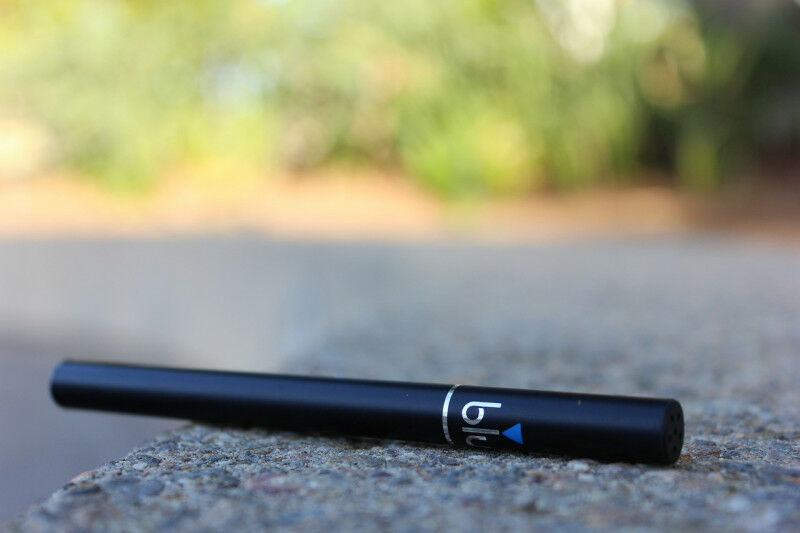
(Image: Pixabay CC0)
(Image: Pixabay CC0) While the lithium-ion batteries in disposable electronic cigarettes are discarded after a single use, they can continue to perform at high capacity for hundreds of cycles, according to new research from UCL and the University of Oxford, supported by The Faraday Institution. The study, published in Joule , highlights a growing environmental threat from these increasingly popular vape pens, which are not designed to be recharged. Disposable e-cigarettes have skyrocketed in popularity in the UK since 2021, with a survey finding an 18-fold increase recorded between January 2021 and April 2022. Within 15 months, their popularity among 18-year-olds rose from 0.4% to 54. This has led to new waste problems, with about 1.3 million of the devices thrown away in the nation each week. As a result, about 10,000 kilograms of lithium from e-cigarette batteries wind up in UK landfills each year, threatening nearby waterways with toxic nickel, cobalt, and organic solvents. The research team had a hunch that the batteries used in disposable e-cigarettes were rechargeable, but were not aware of any previous studies that had assessed how long the lithium-ion batteries in these products are capable of lasting.
TO READ THIS ARTICLE, CREATE YOUR ACCOUNT
And extend your reading, free of charge and with no commitment.