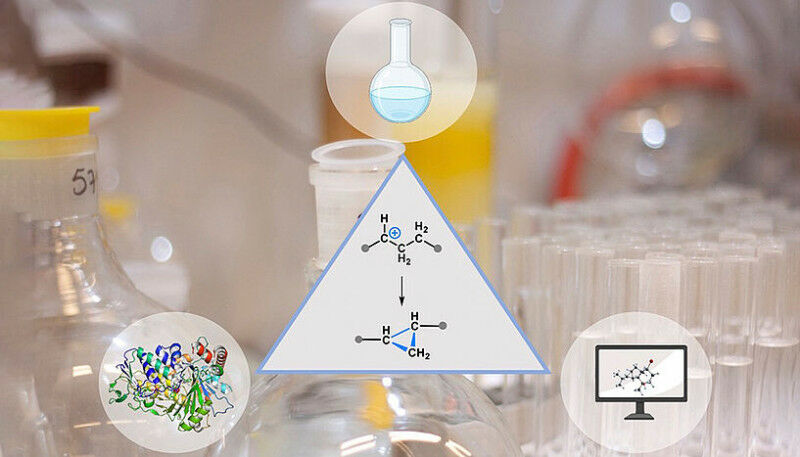
Fig. 1: Maulide cyclopropane C: Maulide Group
Fig. Maulide cyclopropane C: Maulide Group Chemists use new method for sustainable production of cyclopropanes Tripartite ring-shaped hydrocarbons (cyclopropanes) are important structural subunits in many drugs and materials. Their production in the laboratory is challenging and usually involves the generation of various waste products. The research group led by Nuno Maulide, a chemist at the Faculty of Chemistry at the University of Vienna, has now developed a new nature-inspired process for the sustainable production of cyclopropanes and presented it in the renowned journal JACS (Journal of the American Chemical Society). Learning from nature Chemists usually attach two functional groups (leaving group and stabilizing group) to two carbon atoms of the starting molecule to produce cyclopropanes, which subsequently leads to the formation of waste products. "However, nature," says study first author Philipp Grant, "takes a far more efficient approach, requiring only one carbon atom to be functionalized, resulting in fewer waste products." To successfully mimic "nature's method," Nuno Maulide's team tinkered with a new process that integrated organic synthesis, biochemistry and computational studies - and made a crucial breakthrough. Intermediate as key to successful synthesis Powerful computational chemistry tools made it possible to fully understand reaction mechanism, quantum states and the individual steps of new chemical reactions.
TO READ THIS ARTICLE, CREATE YOUR ACCOUNT
And extend your reading, free of charge and with no commitment.