decorative
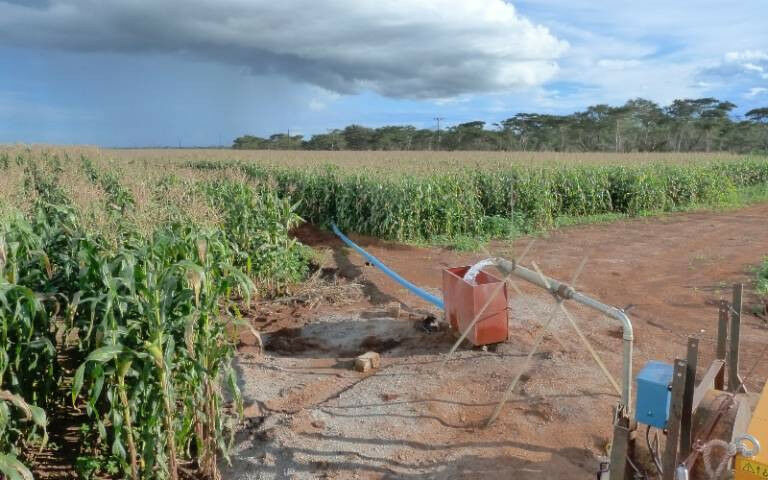
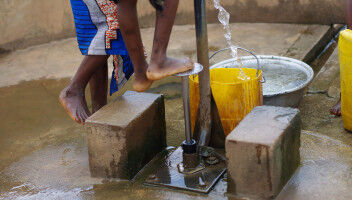
decorative Groundwater levels are declining at rapid and accelerating rates in numerous aquifers around the world, but the decline can be reversed in some cases, finds a new study involving researchers from University of California at Santa Barbara (UCSB), UCL and ETH Zürich. The research, published in Nature , analysed measurements taken over the last two decades from 170,000 wells in 1,693 aquifer systems across more than 40 countries. The team found that groundwater levels are declining by more than 10 cm per year in 36% of the monitored aquifer systems and are rapidly declining by more than 50 cm per year in 12% of them, with the most severe declines under cultivated lands in dry climates. Groundwater supplies roughly half of the water used for drinking and irrigation worldwide and sustains rivers and streams in the absence of rainfall. Depleted aquifers cause land subsidence which can damage infrastructure. In coastal environments, this depletion can induce seawater to intrude and contaminate freshwater wells. Co-author Dr Mohammad Shamsudduha (UCL Institute for Risk & Disaster Reduction) said: "This is the most comprehensive analysis of global groundwater levels published to date.
TO READ THIS ARTICLE, CREATE YOUR ACCOUNT
And extend your reading, free of charge and with no commitment.