A new rating for space sustainability
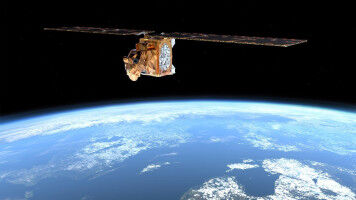
The new Space Sustainability Rating hosted at eSpace, the EPFL Space Center, encourages space actors to design and implement sustainable and responsible space missions - trailblazing the path to ensure the long-term sustainability of the space environment. Last year, the launch date of the much-awaited James Webb Space Telescope (JWST) was moved from the 23 to the 25 of December due to a risk of collision with a piece of space debris, according to the European Space Agency (ESA) launcher directorate. That space debris was able to delay the launch of a multi-billion-dollar telescope attests to how big of a problem the proliferation of space debris has become. The rapid growth of space industry brings many benefits to us all down there on Earth. But decades of unsustainable practices have led to congested orbits, and accelerated proliferation of space debris posing a major risk to satellites, space exploration and other scientific missions. And the problem is only growing. Currently, there are over one million objects larger than 1 cm orbiting the Earth, and more than 60,000 satellites are planned to be launched in the next decade - putting the capacity of Earth orbit to safely accommodate new space objects at risk.