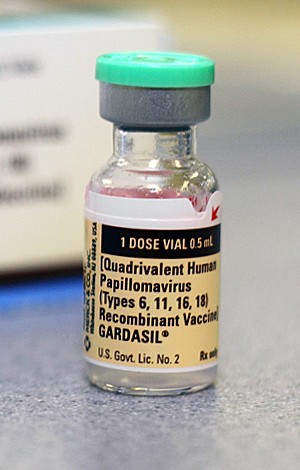
The Gardasil campaign was a missed opportunity to properly inform girls about preventative sexual health, say the researchers.
The public 'recruitment' campaign promoting the new cervical cancer vaccine Gardasil has done little to educate adolescent girls about the cause of the cancer, University of Sydney researchers Kellie Burns and Kate Russell have found. Dr Burns and Dr Russell, both lecturers in health education in the Faculty of Education and Social Work , have followed the rollout of the vaccine in two girls' schools over the last 12 months. They found a significant lack of understanding among high school girls and their parents about the causes of cervical cancer, and that the campaign had missed an opportunity to properly inform girls about preventative sexual health. Dr Burns said that "the key information missing in the pamphlets and the advertising is about human papillomavirus (HPV), which causes the cancer. The girls receiving the inoculation are also ill informed about HPV's link to sexual activity or health." The vaccine is voluntary in Australia, and while this gives individuals choice and control over their health decisions, Dr Burns said that "choice without information is the problem." Dr Burns and Dr Russell support the vaccination program, but believe young women and their parents need to have all the available information, including discussions of the possible risks and side effects, to make their decisions. Without this the effectiveness of the program's aims is compromised and the importance of ongoing cervical screening, supported by research, could be overlooked. The study looked at the students' knowledge about the spread and nature of HPV.
TO READ THIS ARTICLE, CREATE YOUR ACCOUNT
And extend your reading, free of charge and with no commitment.