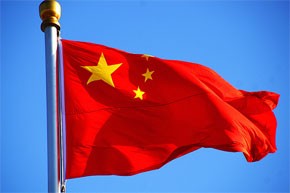
Photo: Peter Fuch/Flickr
If China is to continue its remarkable economic growth it will need to adapt nimbly to huge internal and external changes, according to experts from The Australian National University. Dr Golley said: ?The economic transformation that has taken place in China since the late 1970s is now regarded as one of the most significant changes in human history. 'Over the last three decades China has transformed itself from a centrally-planned closed economy to a market-oriented open economy, sustaining an annual growth rate of 10 per cent and developing into one of the most powerful economies in the world.' However, Dr Golley notes that there is evidence to suggest China has entered a 'turning period' in economic development - signalled by the end of surplus labour and wage rises. 'The combined impact of 30 years of the One Child Policy and rapid income growth on Chinese fertility rates means that the growth rate of labour supply in China is predicted to turn negative by 2020,' said Dr Golley. 'This will necessitate shifts in China's industrial structure and composition of trade, as China loses its comparative advantage in the labour-intensive exports that have been the engine of growth in the past. 'The next two decades of reform and development are likely to be more challenging than the past, as China embraces a new mode of economic growth driven not only by efficiency, but also sustainable and equitable considerations.' Dr Golley says that China will most likely become the world's largest economy by any measure by 2030 and its new position as a global economic powerhouse will bring heavy responsibilities in global affairs.
TO READ THIS ARTICLE, CREATE YOUR ACCOUNT
And extend your reading, free of charge and with no commitment.