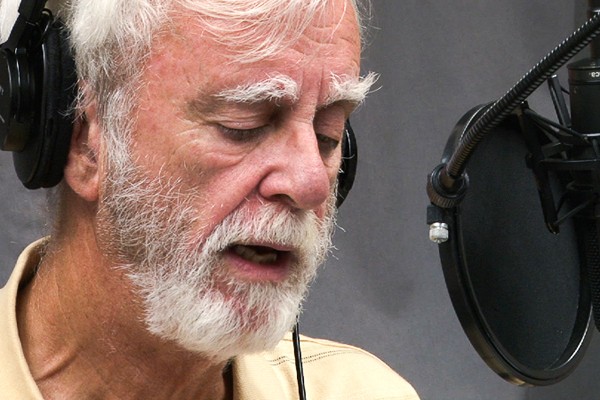
John Perry, professor emeritus of philosophy, is one of the hosts of ’Philosophy Talk.’
Stanford philosophy professor takes the side of a beleaguered theory - that predetermination and free will are not mutually exclusive. Weak theory of laws. As Perry put it, "Hume thought the laws of nature were just generalizations that hadn't been refuted." In other words, Hume wouldn't say a glass falls to the ground because some fundamental law requires it to. He'd point out that we only say gravity exists because we saw the glass fall. While the distinction may seem trivial, Hume's view implies that the existence of gravity could be proved or disproved every time we drop something. It also means that statements about future events are neither true nor false until they happen. "This glass will fall if I let go" is a sentence that will prove accurate or not only when I drop the glass.
TO READ THIS ARTICLE, CREATE YOUR ACCOUNT
And extend your reading, free of charge and with no commitment.