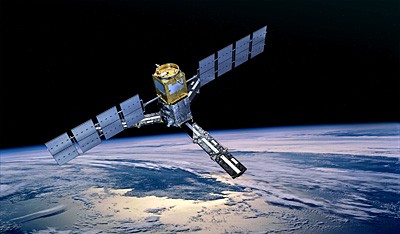
SMOS in orbit
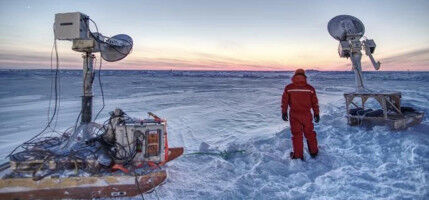
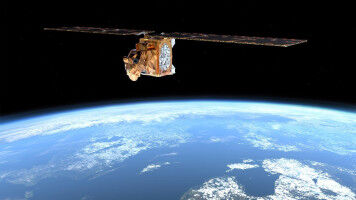
ESA satellites looking deeper into sea ice This year, satellites saw the extent of Arctic sea ice hit a record low since measurements began in the 1970s. ESA's SMOS and CryoSat satellites are now taking a deeper look by measuring the volume of the sea-ice cover. Watch the animation in full resolution - Measurements from ESA's Soil Moisture and Ocean Salinity (SMOS) mission show that ice has thinned significantly in the seasonal ice zones, with extensive areas less than half a metre thick. Sea ice has a large influence on the heat exchange between the ocean and the atmosphere. The heat flux can change depending on the sea-ice thickness and the air temperature. Sea ice is also affecting atmospheric circulation at mid-latitudes. Although not originally designed for looking at ice, the SMOS satellite's data are being evaluated to monitor Arctic sea ice.
TO READ THIS ARTICLE, CREATE YOUR ACCOUNT
And extend your reading, free of charge and with no commitment.