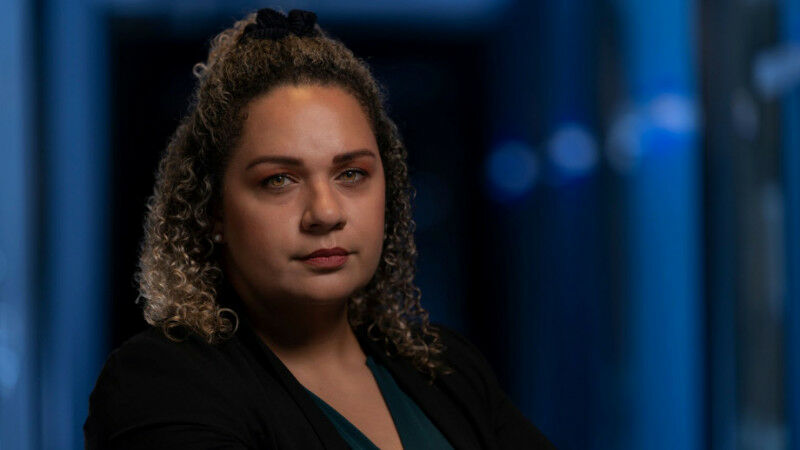
Associate Lisa Whop: ’Elimination is not on track for Indigenous women across the globe.’
Associate Lisa Whop: 'Elimination is not on track for Indigenous women across the globe.' - Australia is on track to become one of the first countries to eliminate cervical cancer as a public health problem, but Aboriginal and Torres Strait Islander women will miss out unless we act urgently. Lead researchers, Associate Professor Lisa Whop (ANU) and Dr Megan Smith, Cancer Council NSW, and colleagues are calling for inequities to be addressed and highlight the successful drivers that could be used to do this. HPV (human papillomavirus) is a common sexually transmitted infection and is responsible for almost all cases of cervical cancer and 90 per cent of anal cancers and genital warts. To reach elimination, the World Health Organization (WHO) has released a strategy with three targets to be met by every country by 2030. The strategy calls for 90 per cent of girls to be vaccinated against HPV, 70 per cent of women to be screened at least twice in their lifetime with an HPV test, and 90 per cent of women to have access to treatment. Cervical cancer incidence must be reduced by around 70 per cent in Indigenous women in Australia but experts say we are a long way from reaching that target. "Elimination is not on track for Indigenous women across the globe," ANU Associate Professor Lisa Whop, who is a Torres Strait Islander, said. "Australia, Canada, New Zealand and the US must urgently address their systemic failure to care and provide health for Indigenous women.
TO READ THIS ARTICLE, CREATE YOUR ACCOUNT
And extend your reading, free of charge and with no commitment.