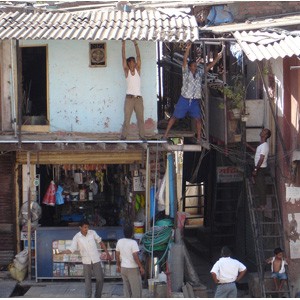
Men’s occupational health risks in Mumbai
Men experience a higher burden of disease and lower life expectancy than women, but policies focusing on the health needs of men are notably absent from the strategies of global health organisations, according to a Viewpoint article in this week's Lancet . The article reinterprets data from the ' Global Burden of Disease: 2010 ' study which shows that all of the top ten causes of premature death and disability, and the top ten behavioural risk factors driving rates of ill-health around the world, affect men more than they affect women ( see tables in s ). In every region of the world men die at a younger age than women and the smallest decline in global mortality rates over the past 40 years has been experienced by young men aged 25-39 years. The commentary, written by Dr Sarah Hawkes of the UCL Institute for Global Health and Dr Kent Buse of UNAIDS, reviews the responses of major global health institutions and finds that efforts and resources are focused more often on the health needs of women. The authors argue that global health institutions should start tackling the social norms and commercial interests that push men to take risks with their health. Drinking alcohol and smoking are subject to social pressures which have resulted in men globally running three times the risk of ill-health from these behaviours compared to women. We recognise that women are disadvantaged in many societies and consider the advancement of women central to sustainable development, but this does not imply that the international community has no responsibility for men's health too.
TO READ THIS ARTICLE, CREATE YOUR ACCOUNT
And extend your reading, free of charge and with no commitment.