How a tiny bug inspires surfaces that don’t get wet
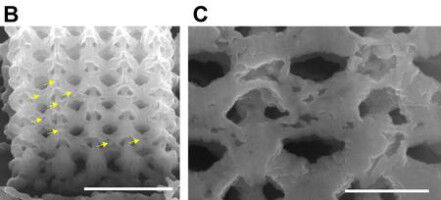
A tiny bug is the inspiration for research that could one day provide clean water or help ships sail more efficiently. Springtails are miniscule creatures that measure about six millimetres in size and live in extremely wet conditions. In order to breathe through their skin they have developed highly detailed mushroom shaped patterns on the surface of their bodies. Repellent surfaces This helps the Springtail to repel any liquid - much better than most natural and synthetic surfaces can do. Now Physics researchers at Durham University, in partnership with scientists at Procter and Gamble, are using this design from nature to help manufacturers create repellent surfaces. They have developed a powerful computer model that simulates how liquids - like water, oil and food - behave on different surfaces based upon the Springtail's skin. The aim of the research is to find the best design to suit the product so it can repel liquids most effectively.