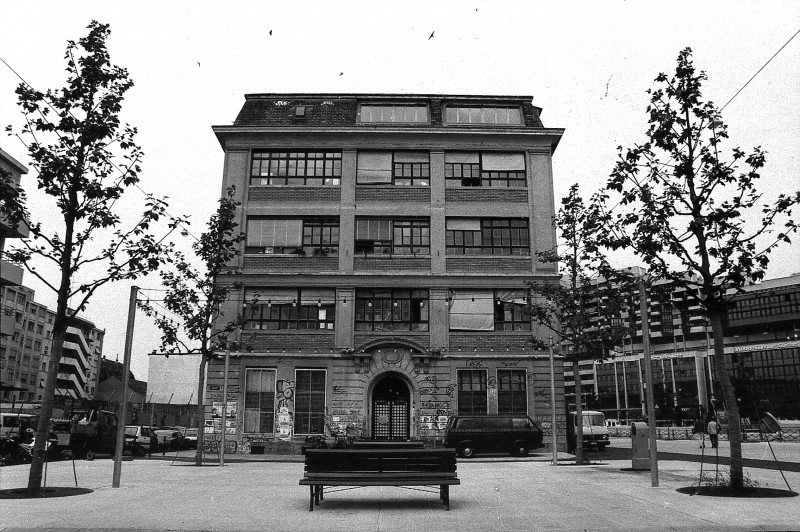
L’Usine in Geneva (Source: wikimedia)
L'Usine in Geneva (Source: wikimedia) - An unprecedented study by EPFL researchers spanning three cities - Geneva, Lisbon and Ljubljana - has revealed how, over the past 40 years, urban cultural policy has blunted the subversive force of counterculture. The change has been so dramatic that, today, art is reduced to a regulated form of profit-making entertainment within a defined space. Twenty years ago, squats, vacant land and brownfields were a common feature of European cities. Now, these spaces have disappeared, taking the cultural activities they once harbored with them. A new book by researchers at EPFL's Urban Sociology Laboratory (LASUR) takes stock of this dramatic shift, exploring what role - physical or symbolic - remains for unprofitable, experimental and subversive activities today. In other words, where does counterculture fit into the modern-day city? The researchers look at three cities - Geneva, Lisbon and Ljubljana - focusing on the period between 2013 and 2017. They find that, just as municipal authorities are championing creativity and supporting varied year-round arts programs in their cities, they are simultaneously stifling, regulating and institutionalizing counterculture like never before.
TO READ THIS ARTICLE, CREATE YOUR ACCOUNT
And extend your reading, free of charge and with no commitment.