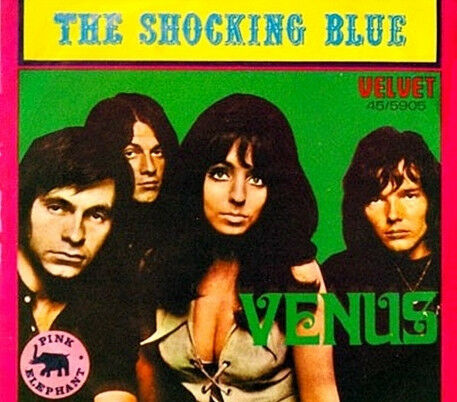
Cover Venus of Shocking Blue
Cover Venus of Shocking Blue - What made The Hague into a place that could produce such worldwide hits as Venus and Radar Love? According to social geographers Robert Kloosterman and Amanda Brandellero, it was a combination of influences from the former East Indies and informal meeting places that turned The Hague into 'Beat City no. 1'. In the 1960s it was not Amsterdam, the cultural capital, but The Hague that gave rise to the liveliest beat scene in the Netherlands. Young people from the former colonies in the Dutch East Indies, who were already very familiar with the American popular music of the day, laid the foundations for the city's musical character. Social geographers Robert Kloosterman and Amanda Brandellero demonstrate that these populations, combined with socio-demographic trends (the baby boom), economic developments (the post-war boom) and spatial changes (vacant properties resulting from urban degradation), are what put The Hague firmly on the popular-music map. What is 'beat music' . Beat music was a major music movement in the early 1960s.
TO READ THIS ARTICLE, CREATE YOUR ACCOUNT
And extend your reading, free of charge and with no commitment.