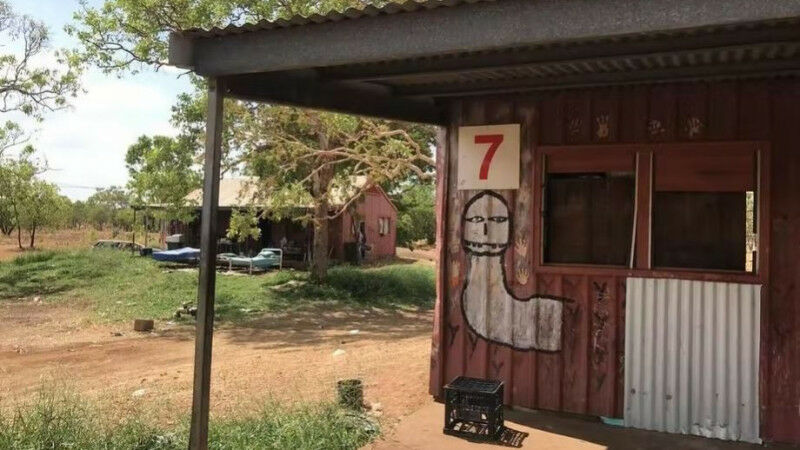
Walpiri Transient Camp, Katherine. Image: Dr Simon Quilty
Walpiri Transient Camp, Katherine. Image: Dr Simon Quilty - Very poor quality housing poses a serious health risk to Australia's remote Indigenous communities, particularly in the extreme hot weather of the Northern Territory, experts from The Australian National University (ANU) and Indigenous elders warn. ANU expert Dr Simon Quilty said people are being forced to choose between power and food, and urgent action is needed to avert catastrophe. "The Northern Territory town of Katherine, for example, had 56 days over 40 degrees in 2019. The previous average was six days," he said. "Most houses in remote communities are old, poorly constructed and poorly maintained. Tenants pay rent for houses with no doors, no windows, and no insulation in the ceiling. In the extreme heat of the Northern Territory, residents of these dilapidated houses need to run air conditioners all day long to keep the inside safe. "All of the houses in these communities rely on pre-paid power cards and as a result there are extreme rates of electricity disconnection , making those with chronic disease particularly vulnerable." Dr Quilty said chronic disease and heat stress combine to exacerbate morbidity and mortality rates among Indigenous Australians. "Many of these households don't have a refrigerator, making storing medication at the recommended temperature impossible, let alone being able to keep food fresh," he said. "The houses aren't built to meet national standards - it's not even known how many of them have insulation in the ceiling. "While many Australian homeowners have benefited from government subsidies to put solar panels on their roofs, in places like Tennant Creek where the sun never stops shining, Indigenous households get no such support.
TO READ THIS ARTICLE, CREATE YOUR ACCOUNT
And extend your reading, free of charge and with no commitment.