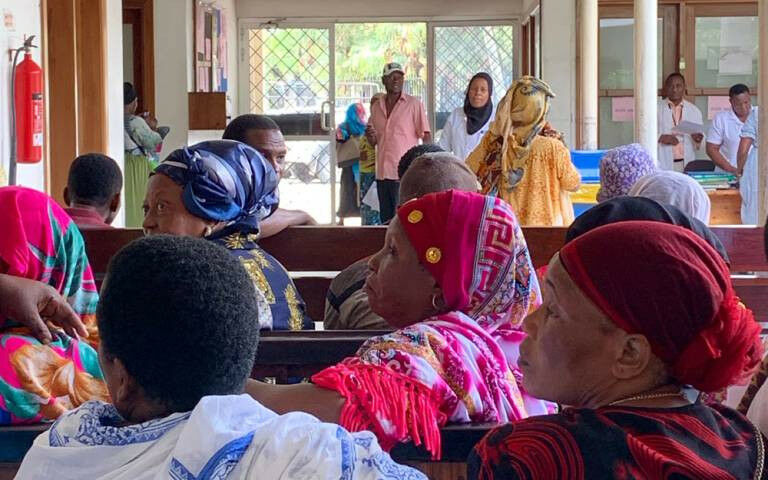
patients at a chronic care clinic
patients at a chronic care clinic Integrated health care for chronic high-burden conditions in sub-Saharan Africa is feasible and health services could deliver high-quality services for less cost than with the current approach of separate vertical care for each condition, a new study led by UCL researchers shows. Presently, health care services for non-communicable conditions such as diabetes and hypertension are fragmented and the quality of care is inequitable when compared with services for HIV. Much less than half of the people who start treatment for diabetes or hypertension on the continent remain in care one year later and about 2 million premature deaths are attributed annually to the effects of these two conditions. In contrast, the vast majority of people living with HIV are in regular care and virally suppressed. Mortality rates of people with HIV have fallen over 5-fold since their peak in the early 2000s. There has been growing interest to establish one stop integrated service delivery clinics using the platforms developed for and the learning acquired by HIV programmes to improve outcomes for people with non-communicable conditions. However, high quality evidence on the feasibility of such clinics, their potential effect on HIV outcomes and their costs, was lacking.
TO READ THIS ARTICLE, CREATE YOUR ACCOUNT
And extend your reading, free of charge and with no commitment.