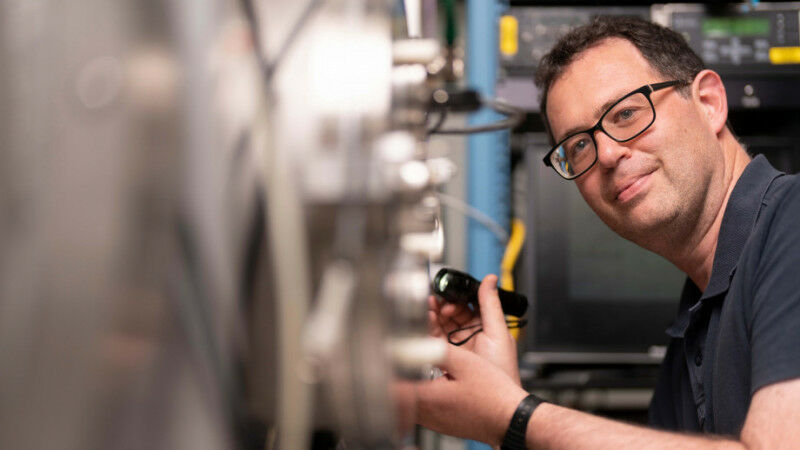
Mr Dimitrios Tsifakis: ’ ’Naphthalene is ideal because when it is heated it goes straight from solid to gas.’
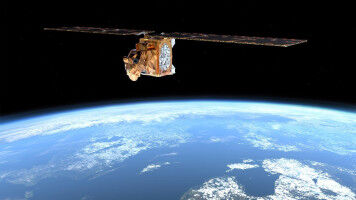
Mr Dimitrios Tsifakis: ' 'Naphthalene is ideal because when it is heated it goes straight from solid to gas.' - The chemical in moth balls, naphthalene, will be tested in space in a new satellite rocket propulsion system, Bogong, developed at The Australian National University (ANU). Scientists have designed the innovative thruster, with a familiar odour, in only six months from design to delivery. The Bogong will launch into space in mid-2022 amid a group of half a dozen small satellites that Australian space services company Skykraft will test for tracking and communication with aircraft, facilitated by the Canberra-based space company Boswell Technologies. ANU PhD scholar Mr Dimitrios Tsifakis, came up with the idea for using hot naphthalene as opposed to hot charged gas plasma systems as a rocket thruster for small satellites. "Naphthalene is ideal because when it is heated it goes straight from solid to gas, with no liquid sloshing about in the thruster," he said. "It is cheap, non-corrosive and easily available.
TO READ THIS ARTICLE, CREATE YOUR ACCOUNT
And extend your reading, free of charge and with no commitment.