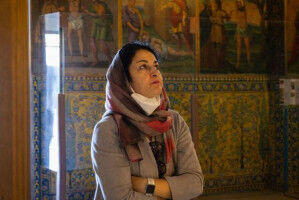
Muslim women in Canada have high levels of equality, researchers say
"The idea that Muslims hold values that make it difficult for them to integrate into Canadian society is misguided," says Jeff Reitz. A landmark study on gender equality among religious minorities in Canada sharply disputes the stereotype that Muslim women are more repressed by men than other groups of immigrants. Sharia law, burqas, honour killings and overseas terrorism directed at girls and women grab headlines and shape public opinion, but workforce participation rates among immigrants suggests a trend toward high levels of equality for Muslim females living in Canada. The study is not only timely but unique because of its sheer scope and detail, said Jeff Reitz, the University of Toronto sociology professor who took the lead in a paper co-authored with Rupa Banerjee and Mai Phan, based on Canadian census data. "There is no other study in any country based on a data sample this size," Reitz said. "Gender equity in Canada's newly growing religious minorities" is published online in the journal Ethnic and Racial Studies and due out in print this year. "Three million cases is a lot of people to have data from when you consider normal public opinion polls are 1,200 or 1,500 people." Reitz said the study's findings should dispel misperceptions about female subservience restricting Muslim women in Canada to roles in the home.