New Research Offers Solutions to Information Overload
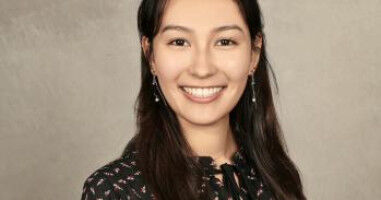
Paul Sajda wears an EEG (electroencephalography) cap. Sajda and his team are building a computer capable of sifting through vast amounts of visual data to help people make decisions. Imagine you have thousands of photographs and only minutes to find a handful that contain Dalmation puppies. Or that you're an intelligence analyst and you need to scan 5 million satellite pictures and pull out all the images with a helipad. Paul Sajda , a professor of biomedical engineering, thinks he's found a solution to such "information overload" that could revolutionize how vast amounts of visual information are processed—allowing users to riffle through potentially millions of images and home in on what they are looking for in record time. He's used it successfully for both of these purposes. It's called a cortically coupled computer vision (C3Vision) system, and it uses a computer to amplify the power of the quickest and most accurate tool for object recognition ever created: the human brain.